
Moving can be exciting and stressful, especially when you’re worried about damaging your favorite furniture or other things.
To keep your belongings, including your furniture, safe, plan carefully and pack smartly. This will ensure that everything arrives at your new home in perfect condition.
Plan Your Move Strategically
Planning your move carefully is key to keeping your favorite things safe.
Start by making a detailed list of all your items, noting which ones are fragile or valuable. This helps you decide where to use special packing materials for your delicate stuff, acting as a prevention against accidental damage.
Timing is also important. Try to avoid moving during busy times of the year so you can hire the best moving services and ensure that essential equipment like dollies is available for easy transport. Moving in the middle of the week or month usually means less rushing and more careful handling.
Use Quality Packing Materials
Using good packing materials and properly protecting your furniture is essential for a successful move, helping to keep your favorite things safe. Spending a little extra on strong boxes, bubble wrap, and packing peanuts is worth it for the peace of mind that your items are protected.
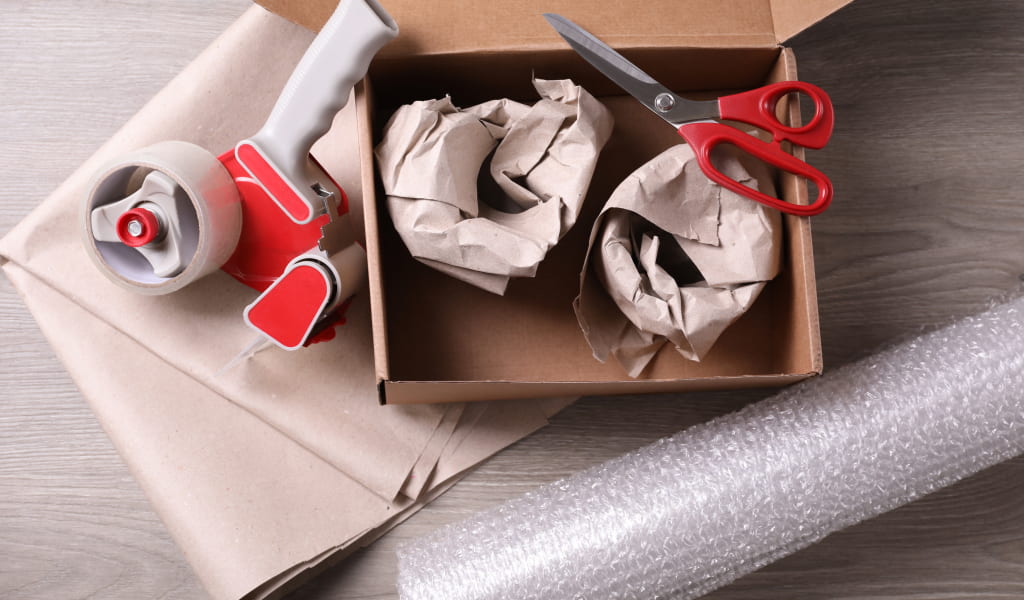
By using these materials wisely, you can prevent accidents like scratches or dents. Think of them as a safety net against damage, providing a cushion for any unexpected bumps along the way. As you pack, wrapping each item carefully in these materials ensures they travel safely, giving your belongings the best protection possible.
Select Durable Boxes
Choosing strong and sturdy boxes is a key part of good packing. These boxes help keep your items safe and should be able to hold a lot of weight without breaking.
Using tough boxes reduces the risk of them falling apart, which is important since moving can be unpredictable.
Strong boxes help protect your things by absorbing impacts and are crucial for keeping valuables safe.
If buying new boxes isn’t an option, think about renting high-quality ones from local moving companies. These boxes are often made specifically for safe transport. Using this approach can greatly reduce the chances of damage, making it much easier to move without scratches or dents.
Opt for Bubble Wrap and Packing Paper
Using bubble wrap and packing paper is super important for keeping your things safe while moving, making sure they arrive in perfect condition.
These materials offer great cushioning that absorbs shocks and prevents damage.
Bubble wrap is especially good for fragile items, wrapping them in a protective layer that keeps them from getting damaged during the move. Packing paper is also really useful, providing a layer that helps prevent scratches and scrapes on sturdier items.
These packing materials are essential for any successful move. They not only offer excellent protection but also help keep everything organized as you pack. As you carefully wrap each item, you’re setting it up for a safe journey to your new home.
Protect Fragile Items
When you’re moving, it’s important to protect fragile items by using careful packing methods and good-quality materials that cushion and shield each piece.
Choose strong boxes and reinforce them with packing tape. Wrap delicate items like glassware or electronics in bubble wrap or use foam peanuts to keep them safe. This helps prevent damage from bumps during the move.
Make sure to label each box with “fragile” and “handle with care” so that everyone knows to be extra careful with them.
Wrap Glassware and Dishes Separately
To avoid scratches and dents when moving, it’s important to wrap each piece of glassware and dishes separately.
- Choose Protective Materials: Use bubble wrap, foam sleeves, or packing paper for each item.
- Wrap Each Item: Make sure to wrap every piece on its own using the right technique so they don’t touch each other.
- Secure with Tape: After wrapping, use tape to keep the protective material in place so it doesn’t slip.
- Pack Strategically: Put heavier items at the bottom of the boxes and lighter ones on top.
By wrapping each piece individually, you give them the best protection against damage. Spending a little extra time and using the right materials will give you peace of mind.
Following these steps will help ensure your glassware and dishes arrive at your new home safe and sound, ready for your next adventure.
Cushion Electronics Properly
To avoid scratches and dents when moving, it’s important to wrap each piece of glassware and dishes separately.
- Choose Protective Materials: Use bubble wrap, foam sleeves, or packing paper for each item.
- Wrap Each Item: Make sure to wrap every piece on its own so they don’t touch each other.
- Secure with Tape: After wrapping, use tape to keep the protective material in place so it doesn’t slip.
- Pack Strategically: Put heavier items at the bottom of the boxes and lighter ones on top.
By wrapping each piece individually, you give them the best protection against damage. Spending a little extra time and using the right materials will give you peace of mind.
Following these steps will help ensure your glassware and dishes arrive at your new home safe and sound, ready for your next adventure.
Disassemble Large Furniture
Taking the time to take apart large furniture, including removing furniture legs, can help reduce the risk of scratches and dents. This means removing legs, shelves, and any parts that aren’t permanent so that each piece can fit easily through doorways and hallways.
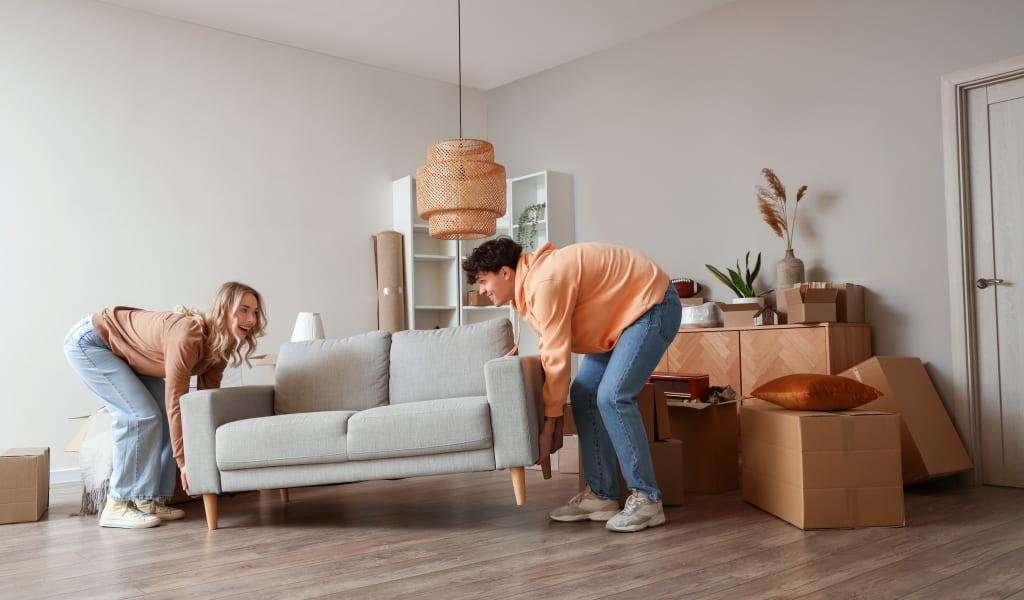
This approach helps protect the surfaces of your furniture and makes it easier to move, making the whole process safer and more efficient.
Secure Loose Parts
When you’re moving, it’s important to remember that loose parts can cause scratches and dents. By securing these parts carefully, you can protect your belongings from the chaos of moving.
Look for parts on your furniture and appliances that can be removed, like shelves, knobs, and other accessories.
Make sure to take these parts off and pack them separately, using bubble wrap or foam for extra safety.
Label each pack of parts to make putting everything back together easier at your new place, reducing frustration and the chance of damage.
By keeping loose parts organized and packed separately, you help make the moving process smoother, ensuring everything is ready for use without any problems.
This step not only protects your items but also saves you time, which is often hard to find when moving. Preparing well for a move lets you focus on the excitement and new opportunities waiting for you at your new home.
Label Hardware for Reassembly
Putting furniture and appliances back together after a move can be tough, especially if small parts like screws and bolts get lost. To avoid stress, make sure to label all the hardware carefully.
Use small labeled bags to store screws, bolts, and other tiny pieces. This will make it easier to find the right parts and prevent scratches and dents during reassembly.
Have a separate bag for each piece of furniture or appliance, and label it clearly with a permanent marker. For more complicated setups, you might want to add a short description or a photo to the bag.
This smart organization saves you time and energy when you get to your new home. By easily putting everything back together, you avoid damage and can focus on enjoying your well-preserved items and settling into your new place.
Load Moving Truck Carefully
To avoid scratches and dents on your furniture and other items when moving, it’s important to carry and load your moving truck carefully.
Start by spreading the weight evenly across the truck bed. Place heavier items like appliances, furniture, and big boxes on the bottom. This creates a stable base that keeps things from moving around and prevents fragile items from getting crushed or damaged.
Use pads, moving blankets, and straps to secure loose items, making sure your belongings stay safe and in one piece.
Place Heavy Items on Bottom
To avoid scratches and dents when moving, it’s important to put heavy items on the bottom. This creates a stable base in your moving truck, which helps prevent things from shifting and bumping around, keeping fragile items safe.
When loading, always start with the biggest, heaviest items like appliances and sturdy furniture, and make sure they’re secured in place. These heavy items act like the roots of a tree, holding everything steady and providing a strong base for smaller, more fragile pieces on top.
By placing heavier items below, you not only protect your more delicate belongings but also keep the truck balanced, reducing the risk of it tipping or swaying too much. This stability is safer for both your items and the people helping with the move, making everything more controlled and predictable.
While this method takes a bit more planning and effort at first, it’s worth it. With your heaviest items safely at the bottom, you won’t have to rearrange things as much, which means fewer chances for dings and dents.
By using this smart approach, you protect your valuables and show how moving can be done efficiently and without damage.
Secure Items Using Straps
Using straps is really important for a smooth moving experience, making sure your things stay safe and in perfect condition.
- Pick strong, adjustable straps that can fit different item sizes.
- Secure fragile items tightly to keep them from moving around during the trip.
- Fasten larger furniture and appliances so they stay in place.
- Use the anchor points in the vehicle to make everything more stable and secure.
- Check the straps regularly if you’re traveling a long distance.
These simple steps, based on careful planning, can help prevent expensive accidents. Knowing how to strap things securely turns your move into a success.
By being careful and thorough, you protect your valuable items, giving you confidence with every mile. Embrace the power of organization and planning.
Hire Professional Movers
Hiring professional movers is a smart choice that can turn a stressful move into a smooth and easy experience, giving you peace of mind.

In a job where skill and equipment are really important, professional movers know how to avoid scratches and dents. They have the best tools and protective materials to make sure each piece of furniture and other items are moved with great care.
Their expertise reduces risks, and their experience makes complicated tasks simple and efficient.
Check Reviews and Recommendations
When choosing a moving company, doing your homework can make a difference in your moving experience.
- Check online reviews on sites like Yelp or the Better Business Bureau.
- Ask for recommendations from friends, family, or coworkers who have moved recently.
- Look at forums where people share their experiences with local movers.
- Pay attention to ratings and focus on companies with consistently good feedback.
These tips give you important information about how reliable and satisfying a company’s service is.
Spending time on reviews helps you find a trustworthy team, making your move smooth and free of scratches and dents.
Confirm Insurance Coverage
Understanding your insurance coverage is important to feel secure during your move.
- Check your current homeowner’s or renter’s policy to see what it covers when you’re moving.
- Talk to your moving company about their coverage options to find out if they offer insurance or valuation coverage.
- Think about buying extra moving insurance if your current policy or the moving company’s insurance doesn’t seem enough.
Having the right coverage protects you from unexpected problems, giving you peace of mind as you move to your new place.
Remember, carefully reviewing and confirming your insurance options can help protect your belongings and give you confidence during your move.
Tips to Avoid Scratches and Dents When Moving
Planning is your best defense against scratches and dents on a moving day, ensuring you lift and transport items safely. Have you thought about how important it is to plan carefully to protect your valuable items?
In 2023, experienced movers highlighted that careful planning with the right packing materials, smart placement, and good organization can greatly reduce the risk of damage.
It’s not just about what you move; it’s about how you pack it. Use protective covers, corner protectors, and moving blankets to shield furniture, especially at the corners. Mattresses and TVs should have their special covers for moving.
During your move, make sure each item gets the care it needs. Delicate glassware should be packed in dish boxes with extra padding, while sturdy furniture should have protective coverings.
Remember, a well-planned move can be smooth and help keep your precious items safe.


