
Need to move heavy furniture like a couch upstairs but not sure how?
It might seem challenging, but with the right plan, some assistance, and a few helping hands, anyone can move a bulky couch upstairs successfully.
Assess the Weight and Size of the Couch
First, measure the couch’s dimensions.

Using a tape measure, determine the couch’s length, width, and height. This step ensures it can fit through doorways, hallways, and staircases. Knowing the dimensions also helps decide if the couch needs to be disassembled or if special maneuvering techniques are required.
Next, estimate its weight.
A typical couch weighs between 150 and 250 pounds. Understanding this weight range is essential because the heavier the couch, the more hands or specialized equipment will be needed.
Proper preparation reduces potential difficulties, making the task more manageable. Assessing both the weight and size provides the necessary information to tackle this challenging task with confidence.
Measure Your Staircase Dimensions
Before tackling the logistics of moving the couch, ensure the stairs can accommodate its size and weight.
Start by measuring the width and height of the staircase, noting any landings, turns, or narrow passages. This detailed assessment will determine if the staircase is wide enough for the couch and if any disassembly or alternate routes are necessary. Such foresight helps prevent damage to both the couch and the surroundings.
Additionally, account for any overhead obstructions or light fixtures. Measure the staircase’s clearance, including the height from steps to ceiling, to ensure the couch can pass through without scraping or getting stuck, thus avoiding potential delays or injuries.
Clear the Path
Before starting the challenging task of moving a heavy couch upstairs, clearing the path is crucial.
First, remove any obstacles such as rugs, furniture, and clutter that could block the way. This step is not only practical but essential for ensuring a smooth and unhindered move. By doing so, they reduce the risk of tripping or colliding with objects, making the process safer.
Next, ensure adequate lighting along the path. If natural light is insufficient, use portable lamps or other light sources to illuminate the way. This proactive approach can prevent accidents and ensure that each step in the relocation process is executed with confidence and precision.
By preparing the environment thoroughly, they can focus their energy on the task at hand, knowing the path is clear and safe.
Gather Necessary Equipment
Begin by gathering the essential tools, materials, and necessary furniture moving equipment needed to carry out the task. This thorough preparation will streamline the entire moving process and ensure a hassle-free experience.
First, acquire furniture sliders, moving straps, and a durable moving blanket. These items, available at hardware stores and online retailers, make maneuvering the couch much easier and protect it from damage.
Tools like the “forearm forklift” and “shoulder dolly” are specifically designed for heavy lifting. These tools distribute the weight more evenly, reducing strain and making the move safer and more efficient.
Moving Straps
Moving straps, designed to assist with heavy lifting, make the challenging task of moving a heavy couch upstairs more manageable, reducing the risk of injury or damage.
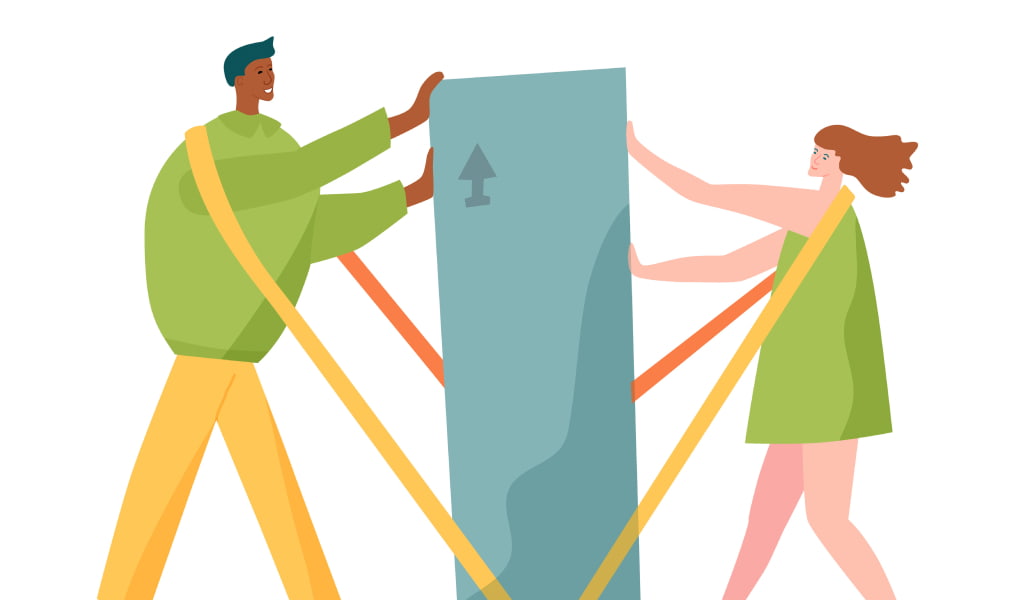
Using these straps redistributes the weight, providing a mechanical advantage that eases the strain on the back and arms. Adjusting the straps for proper alignment is crucial for maximum efficiency.
Moving straps can increase lifting efficiency by up to 70%, allowing for safer and smoother transitions.
When choosing moving straps, it’s important to select ones that match their height and weight requirements. Properly fitted straps offer better control, leading to a safer and more efficient moving experience. By combining the right technique with the right tools, they can achieve a flawlessly executed relocation.
Dolly or Furniture Lifter
Using a dolly or furniture lifter to push and pull can greatly simplify the process of moving a heavy couch upstairs, ensuring a smoother and safer transition across the floor and up the steps.

- Position the Couch: Securely place the couch on the dolly.
- Secure with Straps: Use straps to tightly fasten the couch to the dolly, preventing any movement.
- Plan the Route: Plan the path to avoid obstacles and ensure there is enough space to maneuver the dolly or furniture lifter efficiently.
- Team Coordination: Work with at least one other person for balanced lifting.
- Slow and Steady: Move slowly and steadily, maintaining control throughout the process.
Strategically navigating stairs with these furniture moving tools reduces strain on the body, making it a practical choice for heavy lifting.
Using a dolly or furniture lifter enhances efficiency and minimizes the risk of damaging the couch or property during the move, making it one of the essential moving tips.
Protective Covers
When preparing to relocate a heavy piece of furniture like a couch upstairs, protective covers and padding are essential for preserving its condition during the relocation process.

These covers shield the couch from potential damage such as scratches, dents, and tears.
Professionally designed protective covers, often padded and reinforced, can be obtained from various moving suppliers.
Using these covers not only ensures protection but also provides a better grip on the couch during the move.
Recruit Help
Moving a heavy couch upstairs is a challenging task that requires strength, coordination, and a positive mindset to prevent accidents or injuries.
To ensure a smooth move, enlisting additional help is essential.
Friends, family members, or neighbors can assist with the heavy lifting, but it’s important to consider everyone’s physical capabilities.
Choose individuals who understand the importance of teamwork and can follow instructions to maintain safety and efficiency.
Ultimately, the key to success lies in collective effort. Recognizing the value of teamwork transforms a difficult task into a rewarding challenge.
Lift Using Proper Techniques
When preparing to move a heavy couch upstairs, proper lifting techniques are crucial to ensure safety and efficiency. Using the correct methods significantly reduces the risk of injury and makes the process smoother.

First, bend at the knees instead of the waist, keeping the back straight to distribute weight evenly. Utilizing leg strength rather than straining the back provides a solid foundation, allowing movers to control and balance the couch effectively.
This careful approach demonstrates a commitment to safe and efficient moving practices, showcasing both skill and foresight.
Bend at the Knees
When moving a heavy couch upstairs, maintaining correct body posture is essential to prevent injuries.
In 2016, researchers highlighted the importance of bending at the knees instead of the waist. This simple adjustment significantly reduces strain on the back, minimizing the risk of injury.
Bending at the knees while keeping the back straight allows movers to effectively use their leg muscles. This method provides greater control and stability, making it easier to handle the couch’s weight.
Additionally, adopting this technique can improve overall physical well-being. Frequent improper lifting can lead to chronic back problems, but using the proper technique ensures longevity and strength.
By following this practice, movers demonstrate their expertise and commitment to safety, ensuring a seamless and successful relocation.
Keep Back Straight
Maintaining a straight back during a move is crucial for both safety and efficiency.
In any lifting or moving task, a straight back aligns the spine correctly, distributing weight evenly across the body, making it easier to push objects without straining. This reduces the risk of injury and maximizes leverage.
A straight back also engages core muscles, enhancing stability and balance. This is especially important when navigating stairs, as uneven footing can increase risks.
Experts recommend keeping both the spine and head aligned. When moving a heavy couch, this alignment can be maintained by keeping eyes forward and avoiding slouching.
By emphasizing proper posture, movers protect their health while performing their tasks with confidence and precision.
Navigate Tight Corners and Doorways
Navigating tight corners and doorways while moving a heavy couch upstairs requires strategic planning and patience.
First, clear the area of any obstacles to ensure smooth movement.
Angle the couch diagonally to minimize its width and gently guide it through the doorway. This technique is also useful for maneuvering around sharp corners, leveraging the couch’s length to pivot effectively.
Effective communication among movers is crucial at this stage. One person should lead from the higher end, while the other supports from below, ensuring synchronized movements. By maintaining constant dialogue and adjusting as necessary, they maximize efficiency and minimize potential damage.
Take Breaks to Avoid Fatigue
Taking regular breaks is essential to avoid fatigue and maintain energy levels when moving a heavy couch upstairs.

In 2016, researchers found that short rest intervals significantly boost productivity, especially during physically demanding tasks like moving furniture, which require constant concentration and muscle exertion.
It’s not just about willpower but understanding one’s limitations to safely move the couch. Small breaks allow the body to recover and maintain performance levels.
Scheduled pauses throughout the process ensure that everyone remains physically capable, preventing exhaustion that can compromise safety. Ideally, breaks should occur every 15 to 20 minutes, balancing sustained effort with necessary recovery.
Even brief pauses can renew the team’s focus and reinvigorate their commitment to completing the move efficiently and safely.
Position Couch in Desired Location Upstairs
Once the heavy couch has been transported upstairs, the next step is positioning it correctly in the designated space.
Carefully guide the couch through doorways, managing all angles smoothly.
Take precise measurements to determine the ideal placement, considering both aesthetic and functional aspects. This thoughtful approach optimizes living space, ensuring the couch serves as both a focal point and a comfortable seating area.
Ensure the couch’s positioning allows for easy movement and complements the room’s layout; if needed, use a slide to help maneuver it into place. If needed, use furniture sliders to make minor adjustments without risking injury or damage, making the final touches efficient and accurate. This attention to detail creates an inviting and practical living space.
Final Thoughts
Moving heavy furniture like a couch upstairs may seem daunting, but with thorough planning, the right equipment, and a cooperative team, it can be accomplished. This methodical approach ensures the safety of the movers and the integrity of the couch, transforming the process into a seamless operation.
By assessing dimensions, clearing pathways, strategically arranging furniture, employing proper lifting techniques, and using professional-grade tools, they create an environment primed for success. Attention to detail in these preparatory stages underscores a commitment to excellence, paving the way for a smooth transition.
Teamwork is crucial, reinforcing the idea that difficult tasks become manageable through collaboration and mutual support. Each step, from lifting ergonomically to navigating tight corners, is executed with a blend of caution and confidence. Additionally, taking breaks emphasizes the need for sustainable effort, ensuring that energy and focus are maintained throughout the task.
Ultimately, moving a heavy couch upstairs is not just about physical strength but a testament to strategic thinking, careful planning, and effective communication. Each successful move not only rearranges physical spaces but also affirms their ability to overcome challenges with professionalism and a positive mindset.
This comprehensive approach achieves the immediate goal and builds a foundation of skills and teamwork that can be applied to future endeavors, turning a routine task into an inspiring example of efficiency and resilience.


