
Moving to a new home is exciting. You get to start fresh, meet new people, and set up your space just the way you want. But when you look at your big sofa in the living room, it can feel overwhelming. Its size and shape make it hard to move, and you might worry about it getting stuck in a doorway or getting damaged.
You don’t have to stress about moving your sofa. There’s an easy solution that makes the job much simpler than using regular packing wrap and hoping your couch doesn’t get scratched. A sofa bag is a simple, affordable tool that protects your sofa and makes it easier to move. Here’s how using a sofa bag can make your move a lot smoother.
What Makes a Sofa Bag So Effective?
A sofa bag is a strong, fitted cover made from thick plastic or fabric that completely wraps around your couch. It acts like a giant shield for your furniture, protecting it from dirt, dust, water, and scratches while you move. Using a sofa bag makes moving large, heavy sofas much easier and safer.
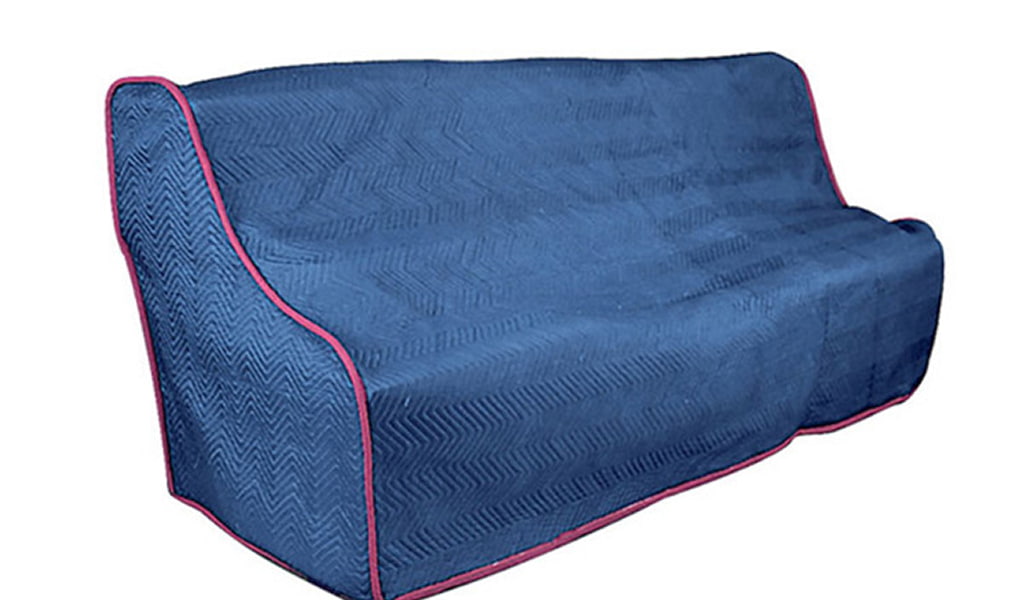
Some sofa bags are reusable, so you can use them again for future moves or storage, while others are made for one-time use. Prices and quality can be different depending on the material and brand, but most sofa bags offer these main features:
- Full coverage to protect every part of your sofa
- Water and dust resistance to keep your couch clean and dry
- Easy ways to close the bag, like zippers, self-adhesive flaps, or drawstrings
- Handles or reinforced seams to help you lift and carry the sofa
With a sofa bag, you don’t have to waste time wrapping your couch in layers of plastic wrap or worry about the fabric getting ripped. The bag fits your sofa perfectly, making the moving process faster and more organized. Plus, it helps prevent damage not just during the move, but also if you need to store your sofa for a while. This simple tool can save you money on repairs and cleaning, and it gives you peace of mind knowing your furniture is protected.
Why Not Just Use Moving Blankets or Shrink Wrap?
It’s a good question to ask. Many people use heavy blankets or industrial stretch wrap to protect their sofas during a move. While these methods can work, they have some important downsides:
| Traditional Blanket/Wrap | Sofa Bag |
|---|---|
| Blankets and wrap can slip off or come loose while moving | Sofa bags fit tightly and stay in place |
| They don’t protect well against water or dust | Sofa bags seal your couch, keeping out moisture and dirt |
| Wrapping with blankets or plastic takes a lot of time and effort | Sofa bags are quick and easy to put on in one step |
| Blankets and wrap can snag on rough or textured fabric | Sofa bags have a smooth surface that helps prevent snags |
| It’s hard to move a sofa alone with blankets or wrap | Sofa bags often have handles, making it easier for one or two people to carry |
Sofa bags are a smart choice if you want to save time and keep your sofa safe. They’re especially helpful if you’re moving by yourself or with just one other person. With a sofa bag, you don’t have to worry about your couch getting dirty, wet, or damaged. Plus, using a sofa bag can make loading and unloading your sofa much faster and less stressful. If you want a simple, reliable way to protect your furniture, a sofa bag is a great upgrade over old-fashioned methods.
Fitting the Bag: Getting the Right Size
To pick the right sofa bag, start by measuring your sofa carefully. Most sofa bags are made for standard loveseats (up to 70 inches long) and regular couches (up to 92 inches long), but if you have a big sectional or an old-fashioned sofa, you might need an extra-large or custom bag. You should measure three main things:
- Length: Measure from one arm to the other at the widest part.
- Depth: Measure from the back of the sofa to the front edge of the seat.
- Height: Measure from the floor to the highest point, usually the top of the backrest.
If your sofa is between two sizes, choose the bigger bag. This way, you can make sure the whole sofa fits inside. You can always tighten any extra material, but trying to squeeze a big sofa into a small bag can cause the bag to rip or tear.
Step-by-Step Guide: Packing Your Sofa Easily
Using a sofa bag is much easier than the old ways of wrapping furniture, but following a few simple steps will help you protect your sofa and keep it looking great.
1. Get Your Sofa Ready
- Vacuum the entire sofa, including under the cushions, to remove dust and crumbs.
- Clean any stains or spots, because once you seal the sofa in the bag, dirt and moisture can get trapped and cause permanent marks.
- Take off any loose pillows, blankets, or decorations.
- If your sofa allows, unscrew and remove the legs or arms. This makes it easier to fit the sofa into the bag and helps prevent damage during the move.
2. Set Up the Sofa Bag
- Lay the sofa bag flat on a clean floor, making sure the opening is in the right spot for sliding in the sofa.
- If you’re moving the sofa by yourself, gently tip it onto its back or side to make sliding it into the bag easier.
- For large or heavy sofas, ask a friend or family member to help. Two people can move and bag the sofa much faster and safer.
3. Put the Sofa in the Bag
- One person should guide the bag while the other lifts or slides the sofa inside. Move slowly and avoid pulling too hard so you don’t rip the bag.
- Make sure the entire sofa, including the corners and seams, is completely covered. These areas are most likely to get scratched or torn during the move.
4. Seal the Bag
- Close the bag using the zipper, adhesive flaps, or drawstring, depending on the type you have.
- Check both ends of the bag to make sure there are no gaps where dust or water could get in.
5. Get Ready to Move
- With the sofa fully protected, you can now move it safely. Use the handles on the bag if it has them—they make lifting and carrying much easier.
- For very large or heavy sofas, use furniture sliders or a dolly to move the sofa without hurting your back or scratching the floor.
- Make sure to lift with your legs, not your back, and ask for help if the sofa is too heavy to move alone.
By following these steps, you’ll keep your sofa safe from dirt, moisture, and damage during your move. Using a sofa bag not only saves time but also gives you peace of mind knowing your furniture will arrive at your new home in great shape.
Sofas with Special Features
Sectionals, reclining couches, and sofa beds need a slightly different approach when using a sofa bag. Some sofa bags are designed to be flexible or modular so they can fit split legs, chaise lounges, or unusual shapes. For these types of sofas:
- Take apart the large sections before you put them in bags. This helps prevent the seams from tearing.
- Use painter’s tape or labels to mark each piece so you can easily put everything back together when you unpack.
- Put a sofa bag on each main section instead of trying to fit the whole sofa into one bag. This makes moving and protecting each piece much easier.
Protecting More Than Just Fabric
Protecting your sofa isn’t just about keeping it looking nice. When you move, your sofa faces a lot of risks, and a sofa bag helps guard against all of them:
- Rain can soak your sofa during a move on a wet day, leading to stains or even mold.
- Dirt, mud, or oil from the moving truck or floors can get on your upholstery and leave tough stains.
- Dust can build up if you need to store your sofa for a long time, making it look old and dirty.
- Sunlight shining through windows or open doors during transport can fade the fabric and make colors look dull.
- Tight hallways, sharp corners, and narrow doorways can scratch or gouge your sofa’s fabric and frame.
A good sofa bag doesn’t just protect your furniture. It also helps keep doorways, walls, and elevators safe from scuffs and marks as you move heavy pieces through small spaces. By using a sofa bag, you make the whole moving process cleaner, safer, and less stressful for both your furniture and your new home.
Tips for Solo Movers
If you’re moving by yourself, a sofa bag is even more helpful.
- Choose a sofa bag with built-in handles so you can grip or drag your sofa safely without hurting your hands.
- Use lifting straps or forearm forklifts along with the sofa bag to make lifting and carrying much easier and to protect your back from injury.
- Before you slide your sofa into the bag, put a folded blanket underneath it. This will help the sofa slide smoothly, reduce friction, and prevent scratches on the floor.
A fitted sofa bag also makes it much easier to keep your sofa protected as you move around tight corners or through narrow doorways. Unlike moving blankets that can slip out of place, a sofa bag stays put, so you don’t have to keep stopping to adjust it. This saves you time and energy, and helps you move your sofa safely, even if you’re working alone. Plus, with the extra protection, you’re less likely to damage your furniture or your new home during the move.
DIY Alternatives: Do They Measure Up?
If you’re creative, you might think about using painter’s plastic sheeting, tarps, or even mattress bags to cover your sofa. While these options can work in an emergency, they usually don’t fit well, don’t close completely, and often rip during the move. They can also trap moisture, which can lead to musty smells or even mold if your furniture stays wrapped for too long.
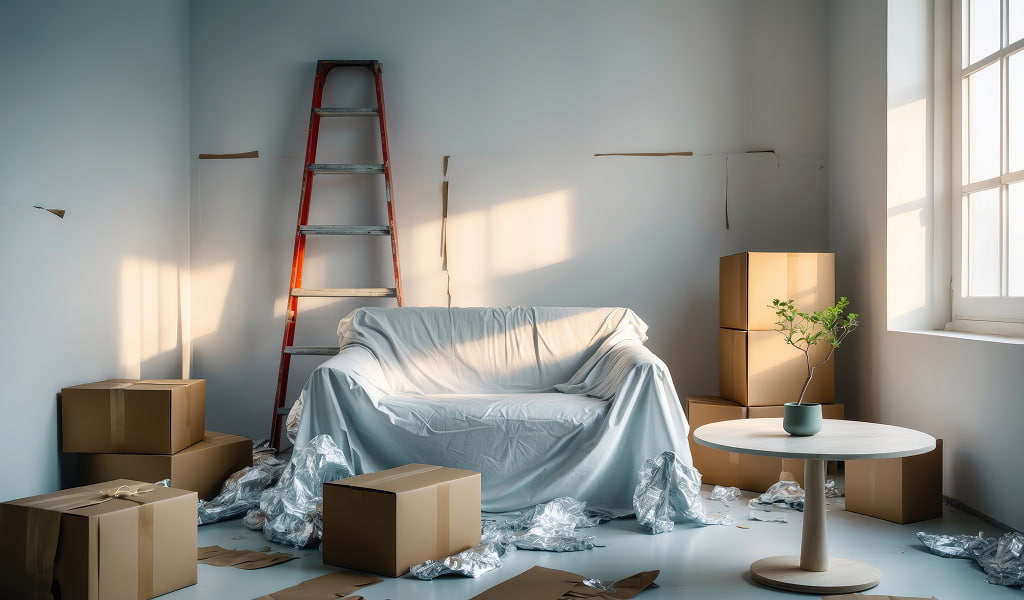
Here’s a quick comparison:
| Feature | Sofa Bag | Painter’s Sheeting | Moving Blanket |
|---|---|---|---|
| Full enclosure | Yes | Sometimes | No |
| Moisture protection | High | Medium | Low |
| Easy fit/design | Tailored | Custom cut/taped | Needs securing |
| Reusable | Often | Rarely | Yes |
| Handles | Sometimes | No | No |
Using a real sofa bag gives you peace of mind and saves you time. The small extra cost is worth it for the better protection and easier moving experience.
How to Find the Best Sofa Bag
Shopping for a sofa bag is simple, even though there are more choices now because moving and storage products are so popular. When you pick a sofa bag, pay attention to these important details:
- Choose a bag made from strong, tear-resistant material. For plastic bags, look for a thickness of at least 3-5 mils so it won’t rip during your move.
- Make sure the bag has a secure closure. Zippers are the easiest to use, but strong adhesive flaps can also work well to keep out dust and moisture.
- Check the measurements and pick a bag that matches your sofa’s size. If you’re not sure, go for a slightly bigger bag so you have enough room to cover the whole sofa.
- If you want to use the bag again, look for one that’s labeled as reusable. This helps you save money and cut down on waste.
It’s also a good idea to read recent customer reviews before you buy. Reviews can tell you if the bag’s closure actually stays shut during a move, if the material is as strong as advertised, and if the bag fits different types of sofas. Some reviews even include photos, so you can see how the bag works in real life. Taking a few minutes to check reviews can help you avoid buying a bag that doesn’t do the job.
Post-Move: Storing or Recycling Your Sofa Bag
Once you’ve moved in and set up your new room, don’t throw away your sofa bag right away. Fold it up and keep it for later—you can use it to protect other large items, like tables, bikes, or sports equipment. Some people even use old sofa bags to cover tools or line the floor in their attic or garage to keep dust away.
If your sofa bag is meant for one-time use, check if your local recycling center accepts large plastic items. Even if you can’t recycle it, you can still reuse it. Cut it up and use it as a drop cloth for painting or to protect your garden from weeds before you throw it out.
Sofa bags have made moving big furniture much easier. When you use the right bag and follow a few simple steps, you can make sure your couch arrives clean and undamaged, ready to be the centerpiece of your new living room.


