
Layering rugs under a sofa provides dimensional depth to any living space, instantly uplifting its overall aesthetic appeal.
Designers have long admired how this technique introduces a multi-textural dynamic, effortlessly achieving a high-end look without overwhelming the room, making it a popular trend in modern interior design.
Choosing the Right Rug Size for Your Space
Selecting the perfect rug size is paramount to achieving harmony in your décor.
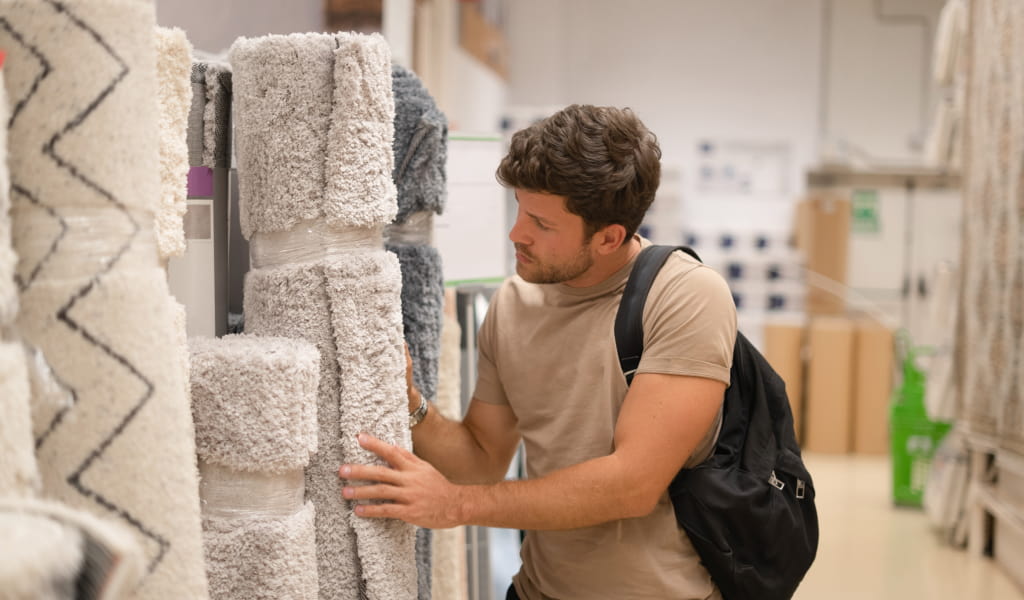
It ensures that everything fits well together stylistically and spatially.
For those aiming to layer, the base rug should typically be the largest, grounding the entire setup while the top rug adds character, color, and texture.
Ensuring the base rug is proportional to the room while the top rug enhances the visual narrative will yield a balanced, sophisticated aesthetic. Whether one’s preference leans towards “traditional” or “modern,” the rug sizes play an instrumental role in attaining that desired perfection.
Understanding Rug Sizes
When layering rugs under a sofa, choosing the appropriate rug size is crucial for achieving a harmonized and cohesive look.
The right rug size can significantly impact a room’s overall aesthetic, enhancing both comfort and visual appeal. Typically, a larger rug extends beyond the sofa’s outer edge, creating an inclusive space that draws all furnishing elements together. Smaller rugs, when layered thoughtfully, can establish distinct sections within a room, adding depth and dimensionality.
Guidelines often suggest that a rug extends at least 6-12 inches beyond the edges of the sofa. This creates an intentional frame around the seating area, making it feel decidedly spacious even in compact living settings.
For those embracing a more eclectic style, mixing different rug sizes can produce visually stimulating contrasts. When done with care, this approach not only showcases an inherent sense of creativity but also highlights the unique character of each rug, fostering an atmosphere of individuality and inspired design.
The Anchor Rug Approach
The anchor rug approach uses a substantial foundational rug under the sofa, extending beyond its edges.

This technique, an expert recommendation, defines a cozy and cohesive seating area, inviting a sense of warmth and unity. By grounding the sofa and connecting various elements of furniture, it mitigates visual disorder and crafts an inviting atmosphere. Crucially, it also lends balance to large living spaces, nurturing a harmonious interior design.
Typically, the anchor rug should cover the entire seating area, including all major furniture elements. This design choice accentuates the central focal point of the room while allowing additional layered rugs to introduce texture and style without overwhelming the primary layout.
Finally, an anchor rug effectively supports both comfort and functionality within the room. Establishing a dedicated space where activities converge, it contributes positively to the overall ambiance, manifesting a stylish yet pragmatic setting. This method propels an elevated, well-coordinated look, infusing rooms with an effortless blend of elegance and modernism.
Color Coordination: Enhancing Your Living Room’s Palette
When layering rugs under a sofa, coherent color coordination plays a crucial role in achieving visual harmony and sophistication.
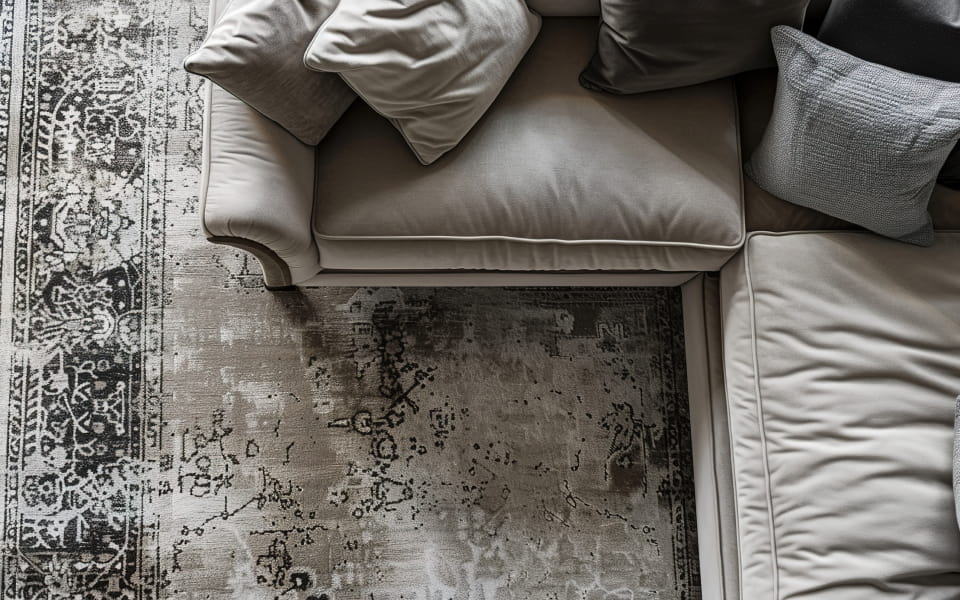
To begin with, one must precisely consider the existing color scheme and identify complementary hues. Selecting tones that resonate well with the predominant colors in the living room can enhance the aesthetic appeal. For instance, soft neutral can balance bold patterns, while vibrant accents add an element of surprise and dynamism.
However, careful balance is key to a cohesive appearance, whether in the living room or the bedroom. It’s important to avoid clashing patterns or disjointed color combinations, which can disrupt the sense of unity. Harmonizing different shades within the same color family can reinforce the room’s design language smoothly and elegantly, especially when using a combination of textures and patterns.
Ultimately, an astute eye for color coordination can transform a room’s ambiance, projecting a polished and intentional aesthetic. This practice extends beyond merely matching hues; it’s about curating a symbiotic relationship between all elements. Maintaining this equilibrium is essential for fostering a space that exudes confidence and harmony.
Materials and Textures That Complement Each Other
When layering rugs under a sofa, selecting the right materials and textures plays a crucial role in achieving cohesion and depth.
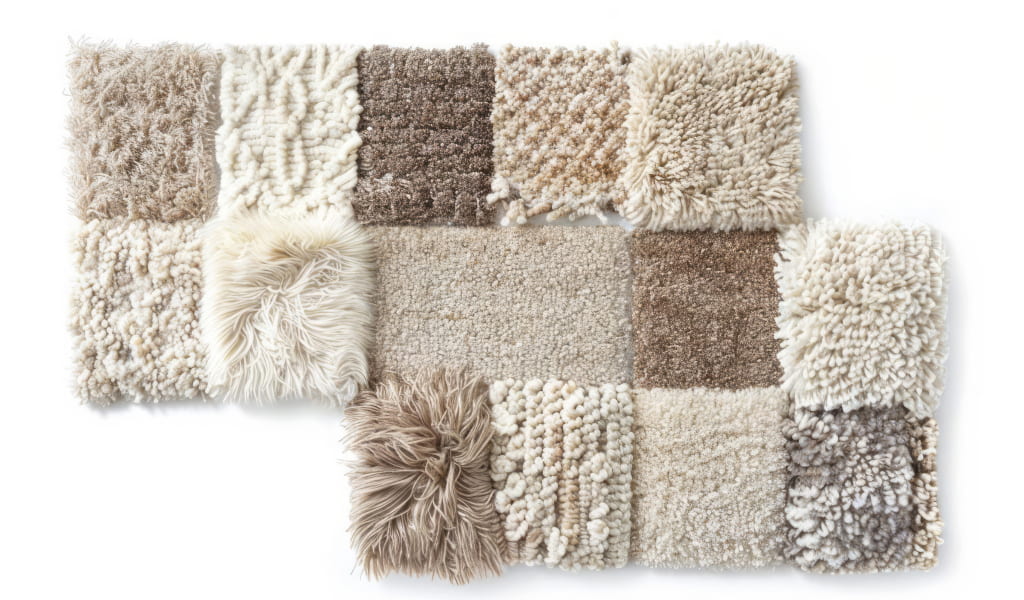
In this context, pairing a foundational rug with a luxurious texture, such as wool, with an overlaying rug showcasing contrasting yet complementary materials like jute or silk is recommended. This harmonious blend not only provides a visual interest but also adds a tactile dimension to the room, enhancing the overall sensory experience.
Additionally, consider integrating a variety of textures in the livingroom through the use of high-pile and low-pile rugs. High-pile rugs exude comfort and warmth, while low-pile options offer a sleek, modern appeal. Balancing these textures fights monotony and gives the space a richly layered look.
By carefully selecting materials and textures that mutually enhance each other, they create a sophisticated and inviting atmosphere. The juxtaposition of differing tactile qualities can invigorate the room, encouraging residents and guests to engage with the space on a more intimate level, ultimately nurturing an environment of elegance and comfort.
Layering Rugs Under a Sofa: Step-by-Step
Choose two rugs with complementary colors and contrasting textures that echo the room’s decor, such as a soft wool rug and a durable jute overlay. Begin by placing the larger, foundational rug in the desired spot, ensuring it extends beyond the sofa’s edges to anchor the area visually.
Next, layer the second rug on top, aligning it slightly askew or perpendicular for an intentional, dynamic look. Adjust the positioning until the ensemble achieves an inviting, harmonious balance.
Positioning the Base Rug
Positioning the base rug is a crucial step in achieving a polished and cohesive layered look. The base rug sets the tone for the entire arrangement.
They should first lay out the rug so that it extends beyond the sofa, ideally by at least 12 to 18 inches. This creates a grounding effect that anchors the space.
The base rug should extend well beyond the sofa to achieve a grounded, balanced look.
Ensuring the rug placement is centered on the room’s focal points is paramount. Proper placement enhances the overall aesthetic, making the room appear thoughtfully curated. With attention to alignment, they lay a strong foundation for their layered masterpiece.
Placing the Top Rug
Once the base rug is perfectly positioned, it’s time to place the top rug.
For maximal impact, the top rug should be a contrasting yet complementary piece, adding texture and dimension. It’s advisable to either slightly overlap the base rug or place it at a different angle to enhance the visual interest. This approach elevates the design, creating an enriching layer that captures attention.
Notably, they should opt for a top rug with a dynamic pattern or vibrant color. When carefully coordinated, this additional layer will interact with the sofa and base rug, enriching the room’s aesthetic and contributing to a cohesive design.
Remember, the top rug should not overshadow the base rug but rather work harmoniously to create a unified look. By skillfully integrating the colors and patterns, they can achieve a sophisticated, textured ambiance that exudes confidence and creativity. This thoughtful synergy of elements can transform any living space into an inspired sanctuary of style.
Balancing Your Room’s Aesthetics
Carefully layering rugs under a sofa demands a keen understanding of balance and harmony within the room’s aesthetics.
Consider the color palette and patterns present in your furniture, artwork, and decor.
These elements must be thoughtfully aligned to ensure the layered rugs serve as a cohesive extension, creating a sense of unity within the space.
Select rugs that complement each other and the existing decor, ensuring that neither overpower nor underwhelm the visual narrative. By achieving this delicate balance, they will cultivate an environment that seamlessly blends elegance with comfort. This balance is key to a sophisticated and inspiring space.
Creating Visual Interest
Layering rugs under a sofa allows for creative expression, enhancing the room’s visual dynamics and character.
First and foremost, it enables the introduction of rich textures and intricate patterns, which can help elevate the overall aesthetic. By juxtaposing different materials such as wool, silk, or jute, they can achieve a tactile and visually complex environment that engages the senses and stimulates conversation.
Additionally, layering creates depth through its multi-dimensional approach. When executed thoughtfully, the varying layers can define spaces within a room, making the floor both inviting and versatile. This method provides a platform for showcasing personal style, accentuating the unique elements of the space.
Ultimately, to create visual interest through layered rugs, one must consider proportionality, contrast, and cohesiveness. These principles guide how each layer interacts with the other and the broader decor. By focusing on these factors, they will ensure an elegant, inspiring, and professionally curated space that showcases their design acumen.
Maintenance and Cleaning Tips
When layering rugs under a sofa, consistent upkeep is crucial to preserving their beauty and longevity.
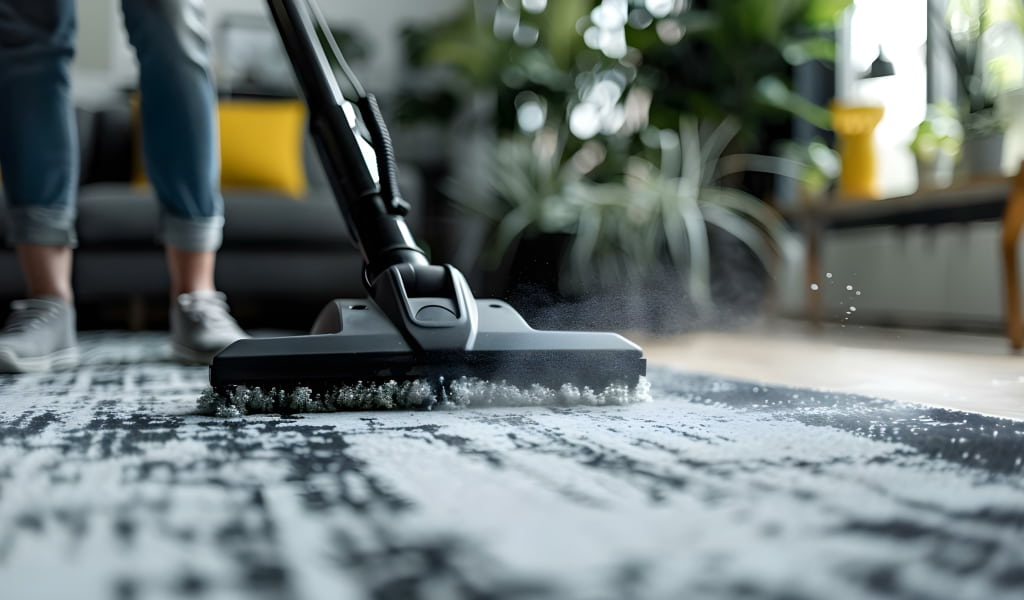
Firstly, it is highly recommended to establish a regular vacuuming routine for each rug layer. This practice helps prevent dust and dirt from settling deep within the fibers, thus maintaining their vibrancy and texture. For best results, use a vacuum cleaner with a suitable attachment that gently cleans without causing damage.
Secondly, periodic rotation of the rugs will ensure even wear and tear. This is particularly important for high-traffic areas. By rotating the rugs every few months, they distribute foot traffic more uniformly, reducing the likelihood of bald spots or uneven fading.
Additionally, immediately address any spills or stains with appropriate cleaning solutions specific to the rug materials. For natural fibers, a mild detergent and water might suffice, whereas synthetic materials might require specialized cleaners. Consistent attention to these details will greatly contribute to the sophisticated ambiance created by the layered rugs.
Common Mistakes to Avoid When Layering Rugs
One common mistake is neglecting the size and proportion of the rugs. They should complement each other.
Choosing clashing colors or patterns can disrupt the harmony of the space. Aim for coherence in aesthetics.
Using rugs with drastically different textures can also be problematic. Balance is key for a pleasing tactile experience.
Improper placement, such as leaving an underlayment too exposed, can cause tripping hazards and uneven wear.
Lastly, insufficient maintenance will compromise visual appeal. Regular cleaning is crucial.
Budget-Friendly Rug Options
Finding budget-friendly rug options is easier than ever, without sacrificing style and comfort.
One approach to obtaining affordable rugs is through vintage markets and online platforms, where unique antique pieces often come at a fraction of the cost. This not only saves money but also adds distinctive charm and character to the room. Additionally, exploring sales and discounts at home goods stores can result in significant savings, with many high-quality options at lower prices.
Repurposing older rugs by using them in a new layering configuration can also be a creative solution. As trends evolve, rearranging existing rugs in innovative ways keeps the décor fresh without additional expense. This method is especially useful for those looking to update their space seasonally.
Finally, embracing DIY projects can yield extraordinary results. They might choose plain, affordable rugs and personalize them with fabric paint or stenciling to achieve a bespoke look. Such endeavors not only maximize their décor budget but also infuse the space with personal flair, creating a welcoming and distinctive environment.
Final Touches for a Cohesive Look
Achieving a cohesive look is vital.
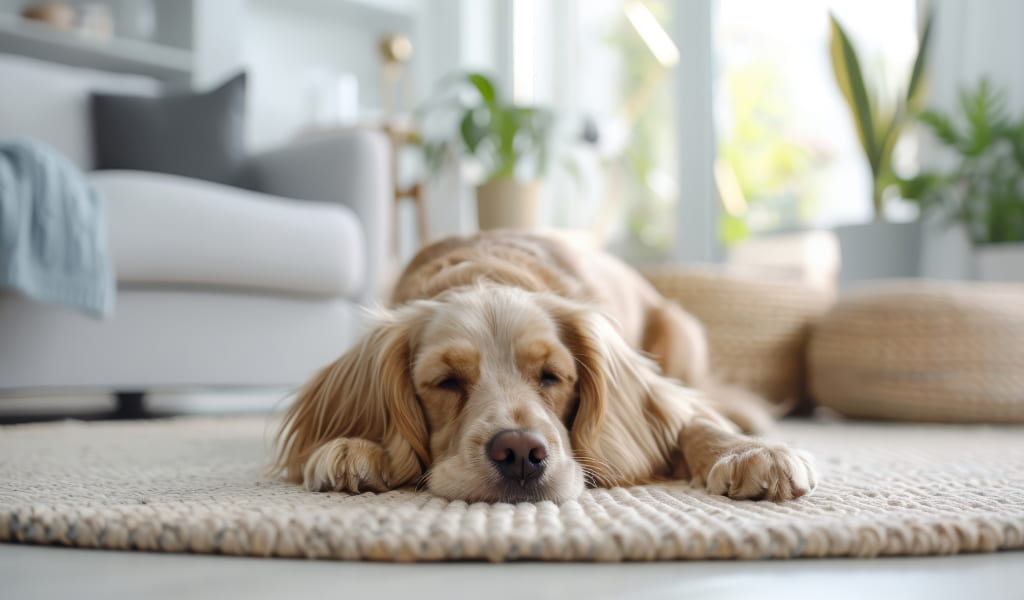
The key lies in integrating the layered rugs with other elements of the room. They should consider how the colors complement existing furniture, ensuring that the patterns harmonize rather than clash. Moreover, attention to detail in the placement and symmetry of the rugs will significantly enhance the aesthetic appeal.
Fringe elements, if any, should be neatly aligned.
One might consider anchoring the furniture onto the rugs – it’s an efficient way to foster a unified appearance, as well as provide functional stability. Each rug’s placement must serve a visual purpose.
Lastly, they should examine the overall texture balance, blending different materials and pile heights thoughtfully. This creates a rich sensory experience, enchanting visitors and offering an inviting atmosphere. By following these tips, they will undoubtedly craft an exquisite, cohesive look.


